Californication


As soon as we realised tech startups from Silicon Valley were viable businesses, we started to copy their methods. That was a mistake.
The past 10 years or so, every stock trader, business consultant, investor and your mother have looked on in awe as the wonders of scalability changed our world forever. The only voices, it seems, that have been holding on to the idea of "traditional" business are the likes of Warren Buffett. One of his favourite stocks, Coca Cola, have kept their value not from uprooting and reinventing their 137 year legacy, but from commitment to the exact same soda, and careful iterations like Cola Zero, and a few acquisitions like Innocent Drinks. And lo and behold, they don't sell Coke as a subscription service. Although I'm certain several business consultants have suggested it.
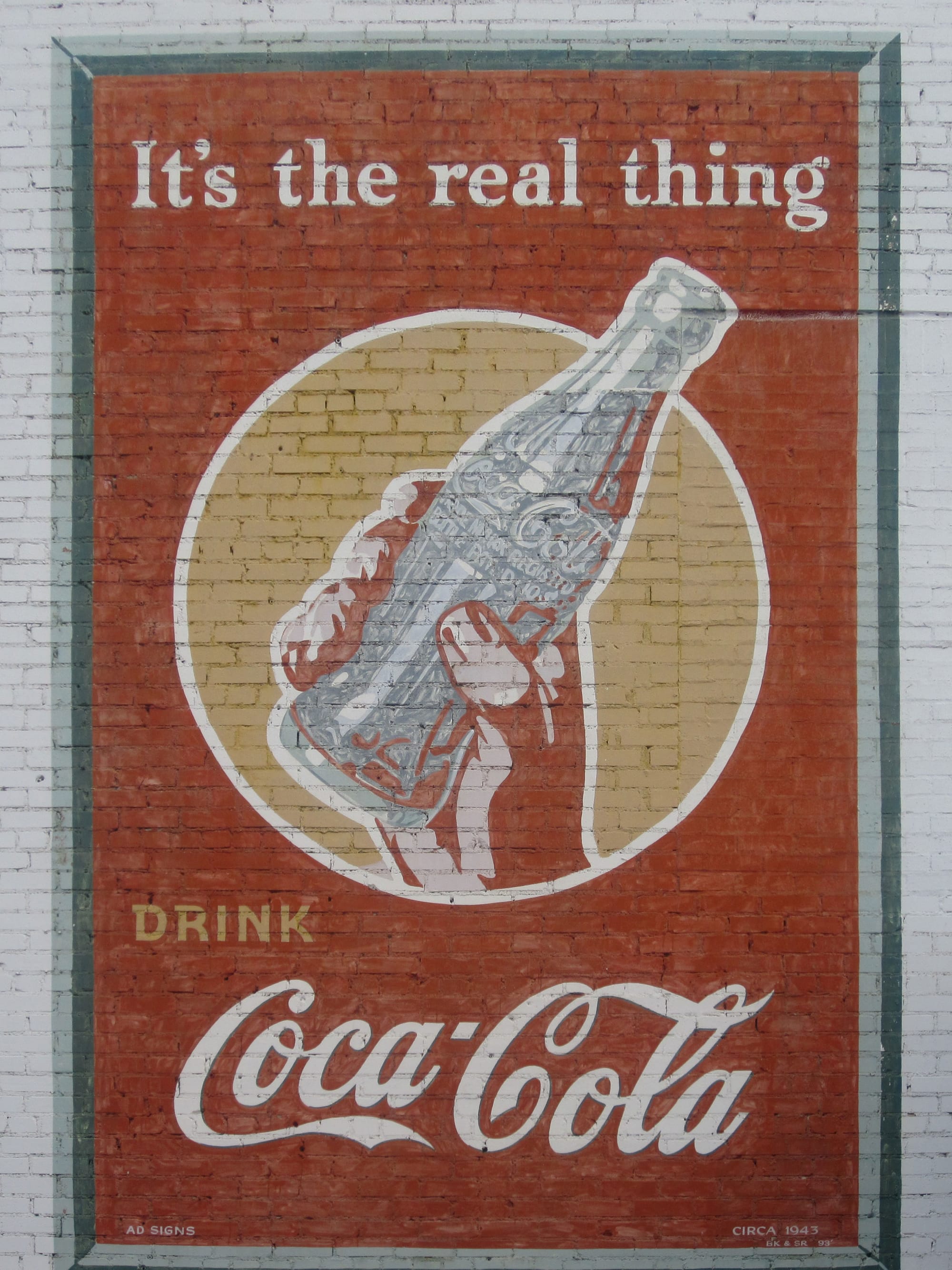
Luckily, not all business listen to the innovation bros and the blue-suits. Coke didn't bite, and not all gravel quarries turned to GaaS (Gravel as a Service) NFT futures companies. But what seems like the entire body of innovators held talks and workshops about how Apple went from a hardware to a media company (which is only slightly true), how Netflix pivoted from physical DVDs to the worlds largest streaming service, and Amazon went from book store to cloud service provider. These companies are very visible, which is why we're drawn to learning from them. But who does Elon or Bezos call when they need another data centre? Oracle. The most boring mastodon in tech history.
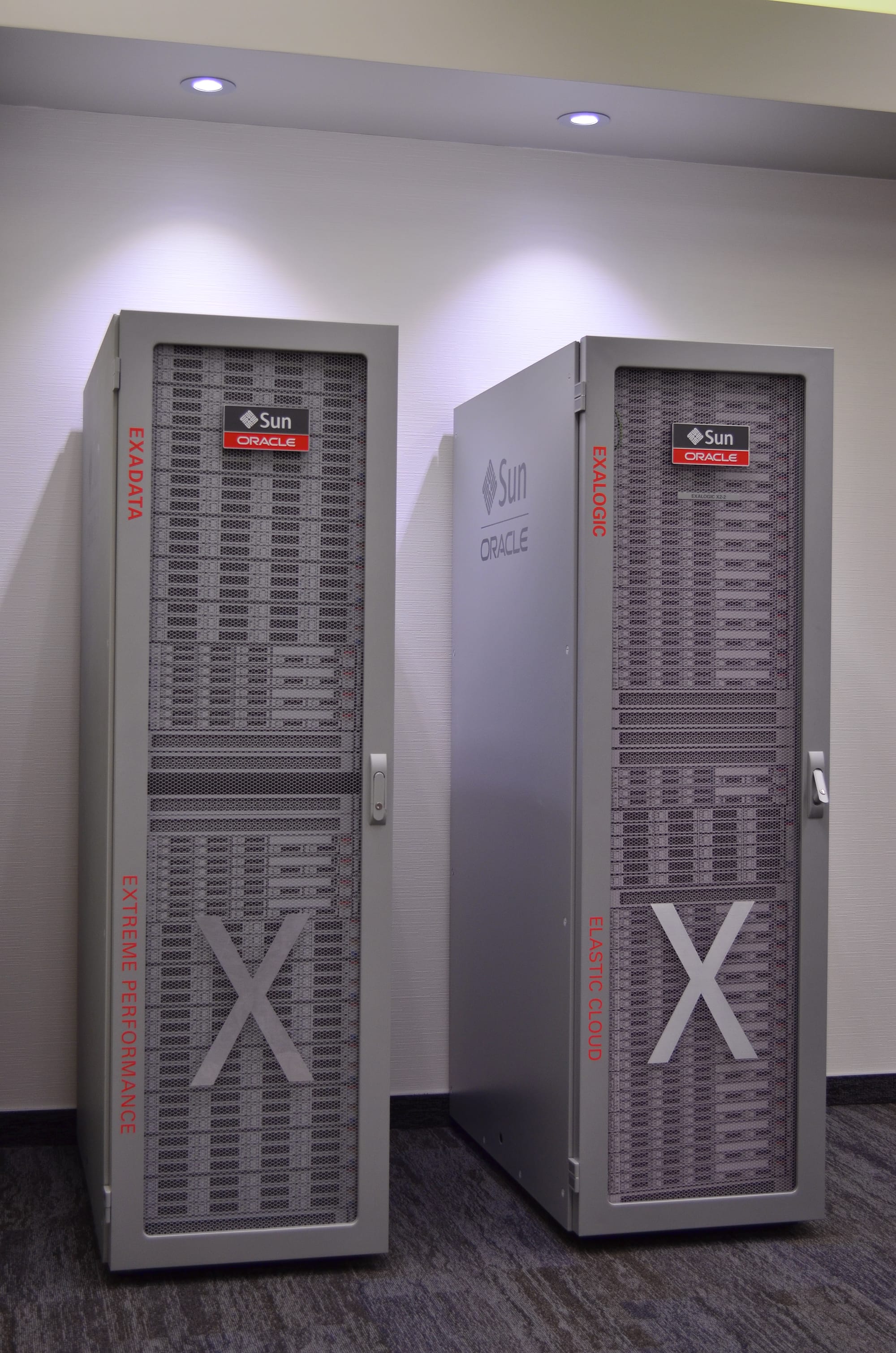
Building intellectual property in the tech world is incredibly difficult. Most of what runs the world of computers is open-source. Data centres run on Linux. The web runs on nginx, OpenLiteSpeed, Apache, Caddy, Node.js... the list goes on. The most architecturally useful LLM's and transformers are open source. If you build on this software, you must keep it open source.
To truly keep the technological advantage, you either need to reinvent the wheel, build some little proprietary linchpin, or control the best licenses and/or hardware.

OpenAI has the advantage of processing power. Even so, they're not making money. As in having to borrow $ 1400 billion (yes, with a B) in the next few years trying to keep that advantage as competitors fuel the bidding war on GPUs. Maybe they'll make it, maybe they won't. Who wins no matter who comes out on top? Nvidia. The company selling physical chips, iterated and systematically improved, with the same engineering goal as they had 32 years ago.
Netflix have their catalog of movies and series, and simply a working infrastructure. What used to be their advantage in the DVD days was logistics. Today it's Stranger Things and Squid Game. Needless to say, gravel quarries and power stations control nothing similar. What are they going to do? Invent sexier electricity?
None of the kings of scalability are comparable to what makes the rest of the world go round. There is no reason why whisky producers should try to scale to making 100 million bottles every quarter, by lending more money than what that business may be worth, from a finance-bro hoping to get out before the whisky bubble pops. I'm exaggerating, but not by much. I have been to the workshops and seminars. I'm ashamed to admit I have held some of them myself.
Of course there are lessons to be learned from the new era of economy. But shoving the innovation models of the likes of Google and Duolingo, companies that literally lives off of innovation, in the face of every corner of the private and public sector has likely produced little value.
Oh, and while we were all busy smelling the farts of Silicon Valley, Warren Buffet made $127 billion. His investment company Berkshire Hathaway holds only one tech-bro stock above 2% of their portfolio: Apple, the hardware company. Google (Alphabet) have to see themselves beat by Ketchup (Heinz).